Clocks fall back Sunday, Nov 1: how the time change hits rideshare earnings
Daylight saving time ends this Sunday, November 1. At 2:00 a.m. the clocks go back to 1:00 a.m., and most of the country gets an hour back. For most people that's a little more sleep. For drivers it's a bit more than that: it lands on Halloween night, it moves the evening rush into the dark overnight, and it's a good moment to look at your numbers before the holiday stretch.
An extra hour on a busy night
Halloween is Saturday, and the clocks change that same night. The hour from 1:00 to 2:00 a.m. runs twice, so a shift from 10 p.m. to 3 a.m. on the clock is really six hours, not five. Plan for it: a fuller tank, a charged phone, and a real break in the middle. Don't treat the extra hour as a reason to push past the point where you're tired.
Two small things to get right. If you track hours by hand, count the hours you actually drove, not the clock difference, or your hourly for the night will look better than it was. And from early evening on, expect kids in costumes, dark clothes, and people crossing mid-block. Slow down on residential streets, and give yourself extra room at pickups.
If you drive in Hawaii or most of Arizona, none of this changes. Those states stay on standard time all year.
Darker evenings, same clock
Sunset moves about an hour earlier overnight. In much of the northern half of the country, it's dark before 5:30 p.m. by the first week of November. The sun moves; people's schedules mostly don't. Work, school, dinner and flights all run on the clock, so the weekday rush and the Friday and Saturday night peaks tend to stay at the same clock times. What changes is that the evening rush now happens in the dark.
That can nudge demand in a few ways. Some people who walked or biked home in daylight will request a ride instead. Some will head home earlier and stay in. Colder, darker weather does both at once. Mornings go the other way for a few weeks: it's light earlier, which makes the first trips of the day easier to drive.
The honest answer on surge timing is that it depends on your market, and the first week is noisy while everyone adjusts. Don't rebuild your schedule on day one. Drive your usual hours for a week, then compare your earnings by hour against the last two weeks of October. If your best windows moved, you'll see it. If they didn't, you've saved yourself a guess. (How we think about best hours.)
Safety: the first weeks are the hardest
For a few weeks, drivers, riders and pedestrians are all getting used to a commute that suddenly happens in the dark. A short checklist before your next evening shift:
- Lights. Walk around the car with the lights on. Replace any dim or dead bulb, and make sure the headlights aren't fogged.
- Glass and wipers. Clean the inside of the windshield too. A film you can't see at noon turns into glare at night. Replace wipers that streak.
- Your screen. Turn on dark mode and lower the brightness on your mount, so the phone isn't the brightest thing in your eyes.
- Pickups. Match the plate and the name before anyone gets in, and choose well-lit spots for pickups and drop-offs when you can.
- Fatigue. The extra hour is on the clock, not in your body. If you're drowsy, end the shift. No offer is worth it.
Check your offer floors
Your per-mile floor protects the car, and the car costs the same at 9 p.m. as at noon: the IRS puts it at 76 cents a business mile for the second half of 2026 (why it moved). What darkness changes is the trip after the trip. A long ride out to a rural or unfamiliar area at night can end in a slow, empty drive back on roads you don't know.
Three adjustments worth making now:
- Raise the bar for long one-way trips at night. If an offer takes you far from where the next ride is likely to come from, it should pay for the drive back, too.
- Look at your per-hour floor for late slots. If late-night offers in your area get slower, a floor that worked in September may now leave you sitting.
- Don't drop your floors to stay busy. When evenings slow down, lowering your floors is how the cheapest offers end up filling the shift.
If you haven't set floors yet, start with the two numbers that decide your real hourly. The start of a new month and a new season is a good time to check them.
Rule of thumb: same clock, less light. Keep your floors, raise the bar for long night trips into areas you don't know, and give the first week a look before you change your schedule.
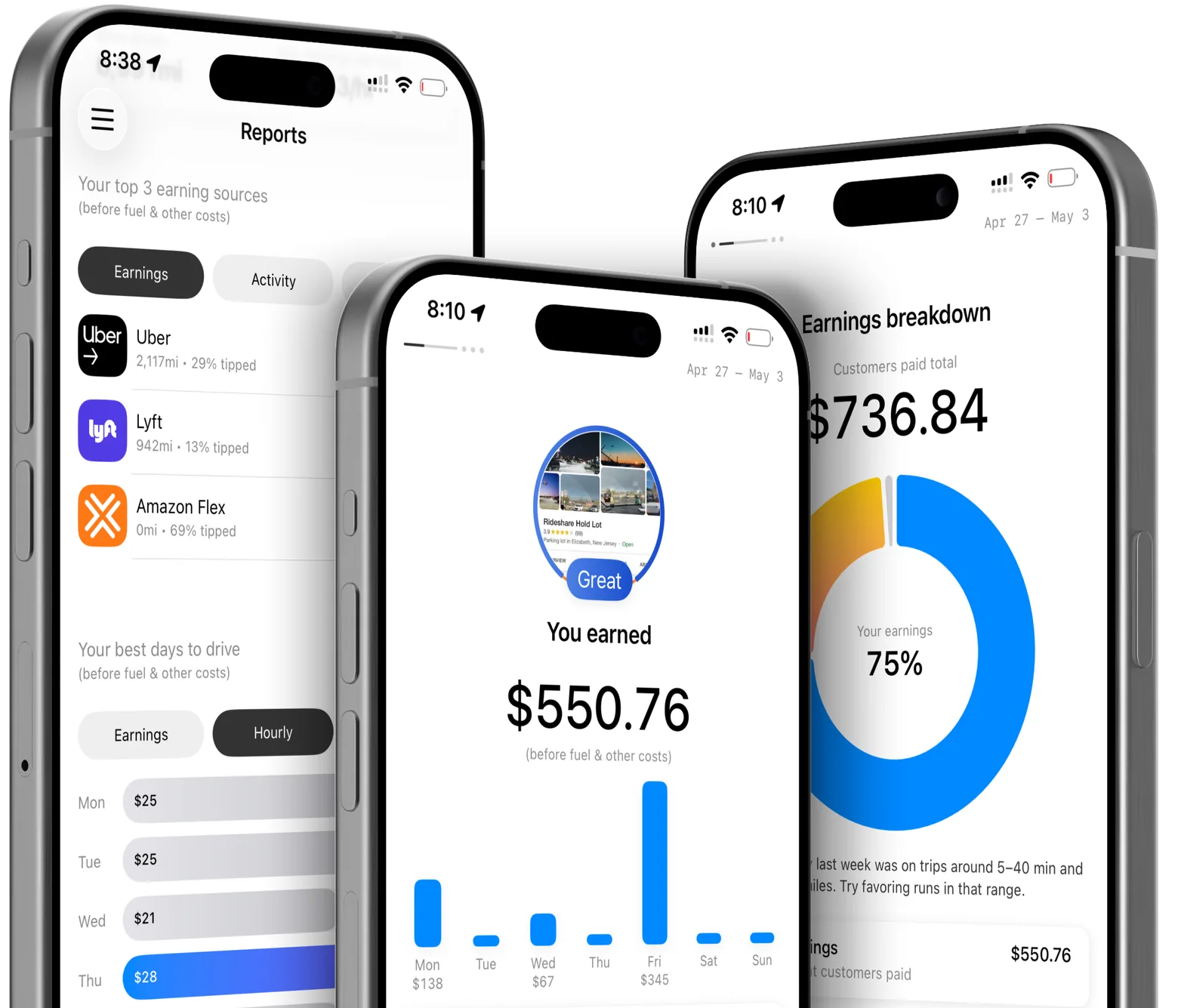
Where GigReal fits: Trip Identifier shows each offer's dollars per hour and per mile on the spot, so you can hold it to your floors at a glance, even at night. Automatic mileage tracking and your weekly recap show whether the darker evenings changed your real hourly, so you don't have to guess.